
 EN
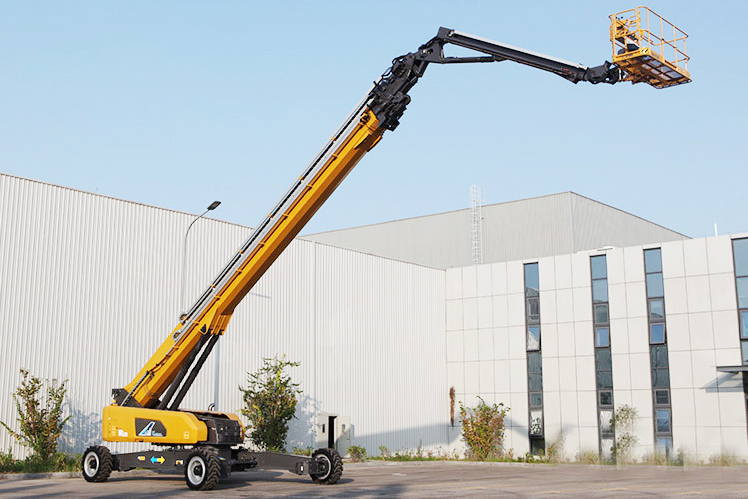
Selecting the right aerial work platform is one of the most critical decisions contractors face when investing in equipment. The wrong choice can lead to project delays, safety compliance issues, budget overruns, and operational inefficiencies. Whether you manage a small contracting crew or oversee large-scale construction operations, understanding how to evaluate an aerial work platform ensures you acquire equipment that delivers both safety and productivity on every job site.
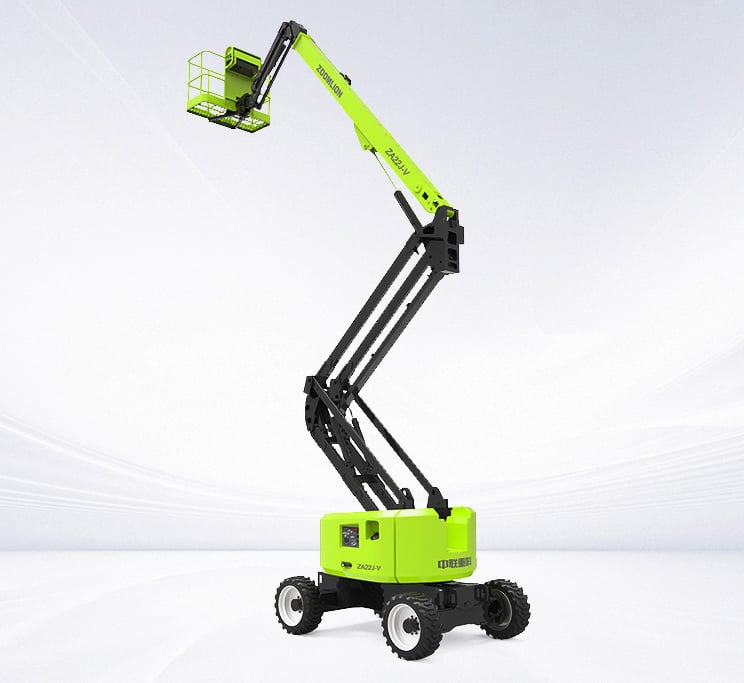
The process of choosing an aerial work platform involves evaluating multiple technical and operational factors. Each contractor faces unique site conditions, team skill levels, and job requirements that shape what machine is actually appropriate. This guide walks you through the essential criteria for selecting an aerial work platform that will perform reliably and meet your specific operational needs.
Understanding Platform Types and Lift Capacity Requirements
Identifying Your Lift Height and Access Needs
The first step in selecting an aerial work platform is determining the maximum working height your projects demand. Different job types require different reach capabilities. For facade maintenance, window cleaning, or electrical work on mid-rise buildings, you may need an aerial work platform that reaches 40 to 150 feet. Smaller interior renovation tasks might require only 20 to 40 feet of lift capacity. Understanding your typical project heights prevents you from either overspending on excessive capability or acquiring an aerial work platform too limited for future contract opportunities.
Evaluating Load Capacity and Platform Size
Load capacity directly impacts how many workers and tools your aerial work platform can safely support at working height. Standard aerial work platform models typically support 500 to 1,000 pounds, though some heavy-duty units exceed this. Consider your typical crew size and the weight of materials, equipment, and tools workers carry daily. An undersized aerial work platform forces multiple trips, reducing productivity. An oversized aerial work platform with excessive capacity wastes fuel and increases operating costs unnecessarily. Select an aerial work platform with capacity that matches your realistic operational demands plus a 15 to 20 percent safety margin.
Assessing Power Source and Operational Versatility
Comparing Fuel Types for Your Job Sites
Your aerial work platform choice must align with available power sources at job locations. Electric-powered aerial work platform units work best for indoor applications, parking structures, and environmentally sensitive areas where fuel emissions are restricted. Diesel aerial work platform equipment offers extended runtime and superior performance in rough outdoor conditions but generates exhaust that may violate site restrictions. Bi-fuel or hybrid aerial work platform models provide flexibility across diverse job sites. Hybrid aerial work platform technology reduces operational costs by using battery power for light-duty work and diesel power when maximum performance is needed. Analyze your typical project locations to determine whether a single-fuel aerial work platform suffices or whether versatility justifies the premium cost of hybrid capability.
Terrain Navigation and Ground Clearance
Job site conditions directly affect aerial work platform performance and safety. Rough terrain, mud, gravel, or sloped ground demands an aerial work platform with adequate ground clearance, robust tire traction, and 4-wheel drive capability. Urban environments with smooth pavement and tight spaces favor compact aerial work platform models with nimble steering and low turning radius. Constantly moving your aerial work platform between confined work areas requires a narrower machine, while sprawling outdoor projects benefit from stability over uneven ground. Select an aerial work platform that matches your typical terrain conditions to maximize safety and minimize repositioning time.
Compliance, Certification, and Long-Term Value Considerations
Safety Standards and Regulatory Requirements
Every aerial work platform must meet rigorous safety standards before it can legally operate on job sites. In North America, ANSI and OSHA regulate aerial work platform equipment design, inspection protocols, and operator certification requirements. Your chosen aerial work platform must carry current certification documentation and pass pre-operation inspections. Many clients now mandate that any aerial work platform equipment on their sites includes proof of maintenance records, annual non-destructive testing, and operator training certification. Acquiring an aerial work platform that meets or exceeds all applicable standards protects your liability, ensures client acceptance, and supports job site safety culture.
Maintenance, Parts Availability, and Total Cost of Ownership
The true cost of owning an aerial work platform extends far beyond the initial purchase price. Factor in routine maintenance, hydraulic fluid changes, filter replacements, tire wear, and parts availability across your service region. Choose an aerial work platform model with established dealer networks nearby so emergency repairs do not sideline your operations for weeks. Widely supported aerial work platform brands maintain competitive parts pricing and faster replacement cycles. An inexpensive aerial work platform from an obscure manufacturer may create ongoing supply chain problems and higher long-term costs. Evaluate the aerial work platform manufacturer's reputation, service coverage, and warranty terms. A slightly higher upfront investment in a aerial work platform from a reliable supplier with strong regional support typically delivers better return on investment across its operational lifespan.
FAQ
What is the difference between boom lifts and scissor lifts for aerial work platform applications?
Boom lifts offer greater horizontal reach and can access areas not directly beneath the machine base, making them ideal for facade work and landscaping trimming. Scissor lifts provide straight vertical motion with larger platform capacity, suiting interior work and applications requiring multiple workers at the same height. Choose your aerial work platform type based on whether horizontal reach or vertical capacity matters most for your specific projects.
How often should an aerial work platform be serviced and inspected?
Most regions require formal inspection and certification of an aerial work platform annually, with monthly operational checks performed by trained operators. Daily pre-use inspections catch minor issues before they escalate into safety problems. Establish a documented maintenance schedule for your aerial work platform to track fluid changes, filter replacements, and component wear. Regular servicing protects operator safety, maintains manufacturer warranty coverage, and ensures your aerial work platform remains compliant with regulatory requirements.
Can an aerial work platform be rented instead of purchased?
Yes, renting an aerial work platform for short-term projects can reduce upfront capital costs and avoid long-term ownership responsibilities. Rental companies maintain and certify their equipment, eliminating your maintenance burden. However, frequent rental becomes expensive on long-term projects, making equipment ownership more economical for established contractors with ongoing work. Evaluate your typical project duration and annual utilization to determine whether purchasing or renting your aerial work platform makes better financial sense.